

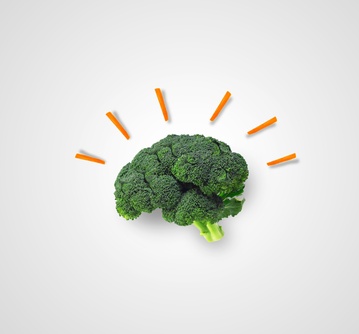
Feed Your Brain: The Good, the Bad, and the Ugly
When analyzing brain foods, one of the most important things to look at — besides toxicity — is the glycemic index. If you’re not already paying attention to it, start now. Notice how you feel in relation to this one marker alone.
Our brain thrives on a steady stream of glucose. When that stream isn’t steady, the brain — and the rest of the body — suffers. Irritability, depression, and sluggishness are just a few of the results.
The Worst Offenders
When it comes to disrupting blood sugar and depleting nutrients, pastas, breads, and white potatoes top the list. But they’re not alone.
Artificial colors, artificial sweeteners, corn syrup, sugary foods and drinks, hydrogenated fats, nicotine, and alcohol are among the worst “non-food” foods you can put in your body. And here’s a sobering fact about alcohol — it doesn’t even need to be ingested to do damage. It can kill brain cells just from the smell.
A Word on Aspartame
Both the Air Force’s magazine Flying Safety and the Navy’s Navy Physiology have published articles warning about the dangers of aspartame. Here’s what the research suggests:
- The methanol in aspartame can build up in body tissues, creating a potential cumulative effect
- It has been linked to an increased likelihood of birth defects
- Pilots have reported connections between aspartame use and seizures and vertigo — most flight agencies warn against its use
- It may disrupt the brain’s chemical makeup and lower serotonin levels, affecting sleep, appetite, mood, and behavior
- It disrupts amino acid metabolism, hormonal equilibrium, and nerve function
There is much more to say about these “non-foods” — but that’s a subject for another post.
Now for the Good News
When you eat the right foods, things shift. You see more clearly. You feel more confident. Brain fog lifts. You add real quality to your life by balancing hormones and nourishing your brain’s core functions.
Here are the top brain foods to work into your diet:
- Salmon and other fatty fish — rich in omega-3s
- Raw cacao — the whole bean, not sugar-laden chocolate
- Green tea, especially Matcha — calm, sustained focus
- Acai and blueberries — powerful antioxidants
- Avocados — excellent source of healthy fatty acids
- Brewer’s yeast — a great source of RNA
- Broccoli, Brussels sprouts, and leafy greens — nutrient-dense and anti-inflammatory
- Eggs — great protein and readily usable cholesterol (yes, the whole egg)
- Seeds and nuts — freshly ground flaxseed, walnuts, chia, pumpkin seeds, and more
Don’t forget to eat across the full spectrum of colors nature offers. Those pigments — called bioflavonoids — are what give foods like pomegranate and certain wines their value. They’re loaded with antioxidants that scavenge free radicals in the brain and body.
The Simple Summary
- Get enough omega-3 fatty acids
- Prioritize protein, especially from non-meat sources
- Eat a wide variety of colors
- Drink plenty of pure, filtered water — avoid unfiltered tap
These are the ingredients that help people maintain sharp mental clarity and strong cognitive function well into old age.
