
Cupping and Gua Sha
Post Treatment Guide
Supporting Your Body’s Natural Healing
Cupping and gua sha are powerful tools to release tension, move stagnation, and activate your body’s innate healing mechanisms. With regular sessions, many patients experience reduced pain, improved range of motion, and more musculo-skeletal resilience.
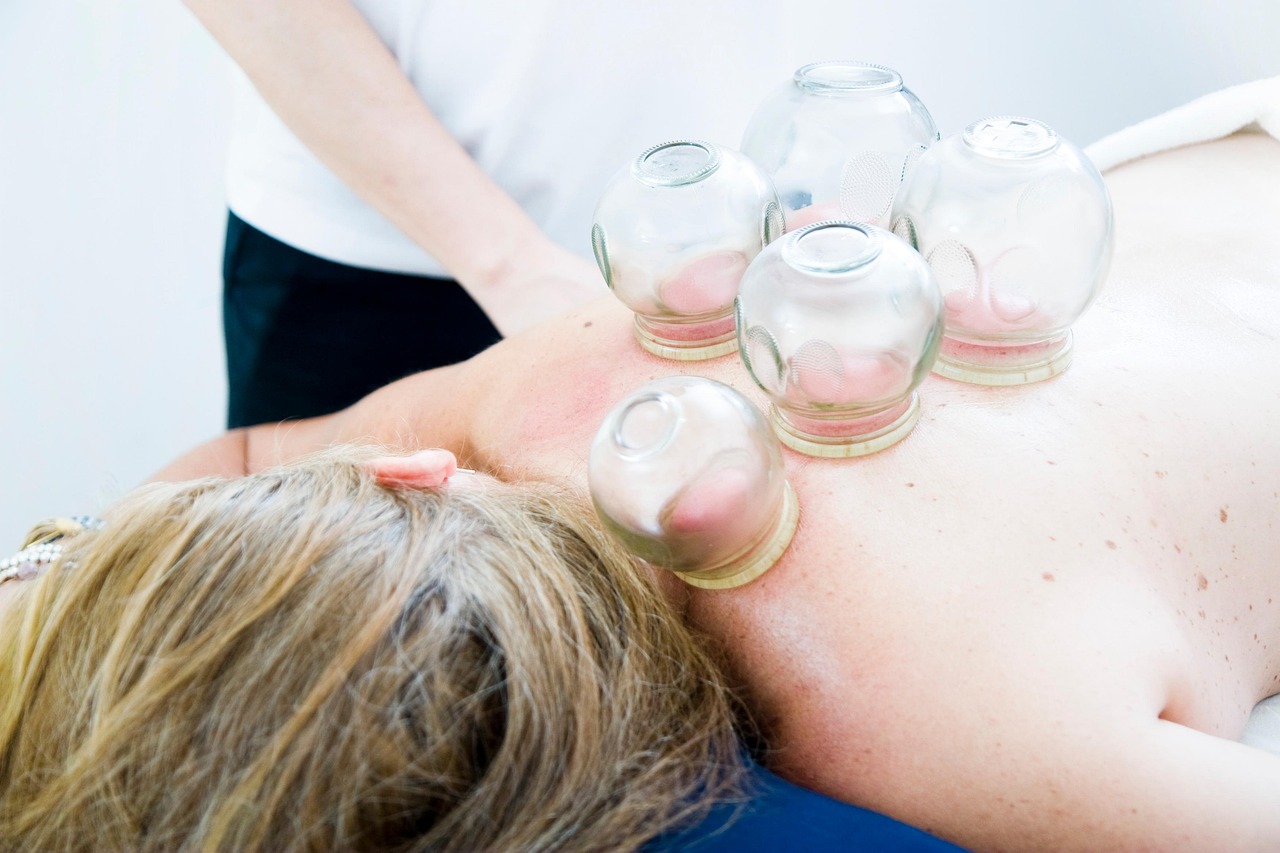
What are Cupping & Gua Sha
Cupping uses suction to lift the skin and underlying tissues into a cup. Sometimes referred to as a "reverse massage", this technique helps create space in the tissue.
Gua Sha uses gentle scraping with a smooth-edged tool.
- Increase circulation
- Release tension
- Move stagnation (Qi and Blood)
- Expel external pathogens (like Wind, Cold, or Dampness)
- Muscle tightness and pain
- Headaches and migraines
- Colds, coughs, asthma
- Digestive issues
- Chronic fatigue and stress
- Detoxification
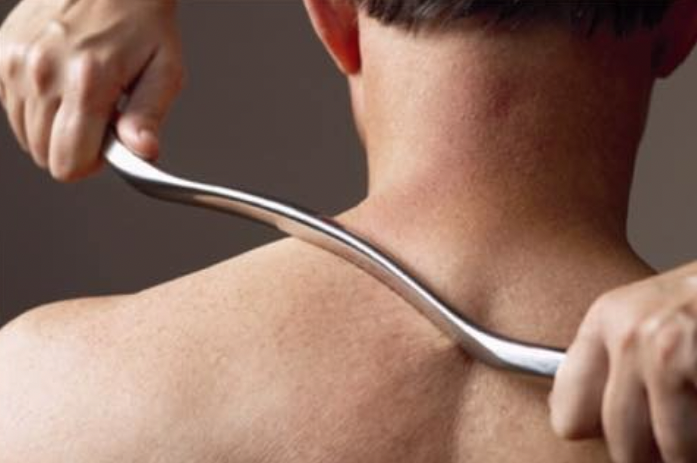
How These Techniques Affect the Fascia
The fascia is a connective tissue network that surrounds and supports muscles, organs, and joints. It plays a crucial role in posture, movement, and even pain perception.
When fascia becomes tight or adhered (due to overuse, stress, poor posture, or injury), it restricts movement, impairs circulation, and can contribute to chronic pain or stiffness.
Cupping and gua sha work directly on the fascia by:
- Gently separating layers of tissue and breaking up adhesions
- Promoting fluid exchange in the interstitial spaces
- Stimulating lymphatic drainage
- Reducing fascial tension and improving mobility
- Enhancing proprioception and the body’s sense of alignment
This is why our clients often feel “lighter,” more relaxed, and looser in the treated areas.
What You May Notice
Marks or discoloration
- Marks or discoloration from cupping or hua sha:
- These are not bruises. They are the result of stagnation being drawn to the surface.
- Color may range from pink to dark purple.
- Marks typically fade in 3–7 days, but can last up to 10 days depending on your body and the degree of stagnation.
- Mild muscle soreness or tenderness, similar to post-workout soreness.
- Warmth, tingling, or deep relaxation.
- Temporary fatigue, emotional release, or a sense of detoxification.
Aftercare Tips
When To Contact Us
- Soreness lasting longer than a few days
- Skin irritation or unusual sensitivity
- Any concerns about how your body is responding